
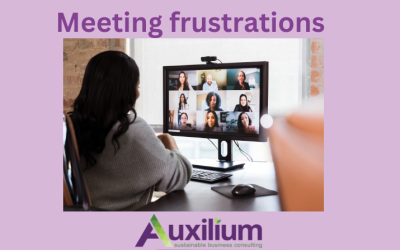
It is surprising how many poor habits still show up in virtual meetings, despite online communication now being a routine part of business life. These habits can undermine professionalism, affect first impressions, and reduce the value of the meeting for everyone involved.
So, ask yourself: are the meetings you attend well-structured, purposeful, and designed to achieve a clear outcome?
Here are some of the issues I still regularly observe in virtual meetings:
-
People not positioned centrally on screen
-
Poor lighting, whether too dark, too bright, flickering, or causing glare on glasses
-
Fidgeting, looking distracted, or failing to maintain eye contact
-
Interrupting others
-
Talking at length about yourself or turning the meeting into a sales pitch
-
Slouching or displaying disengaged body language
-
Allowing avoidable distractions, such as answering the door or tending to pets during the meeting
-
Frequently arriving late
-
Technical issues such as being muted or having sound problems that could have been checked in advance
-
Certain attendees dominating the conversation while others are overlooked
-
A lack of interaction, with some participants staying silent and disengaged throughout
Before the meeting starts, it is important to check your settings, test your sound, position your camera correctly, and ensure your background is appropriate. This matters even more when meeting someone for the first time, because first impressions count.
Although we have all been working this way for years, many of these issues still persist.
We spend a significant amount of time in meetings, both online and in person, so it is worth considering how to make them more effective. Every meeting is an opportunity to build trust, strengthen relationships, and be remembered for the right reasons.
So ask yourself:
-
Am I guilty of any of the above?
-
What could I improve?
-
How effective are the meetings I attend?
-
Do these meetings leave me energised or drained?
-
Was the meeting actually necessary, or was it simply meeting bloat?
It is also vital that the person leading the meeting manages it well. A good meeting host:
-
Does not allow others to dominate
-
Invites contributions from quieter or newer attendees
-
Avoids interrupting unless necessary
-
Ensures the right people are in the room
-
Opens the meeting with a clear purpose and expectations
-
Closes with agreed actions and next steps
Virtual meetings still place a strong emphasis on how you present yourself, as well as the practical challenges of technology and connectivity.
So, in addition to the points above, make sure you also:
-
Dress appropriately
-
Choose colours that help you stand out without clashing with your background
-
Speak clearly, at an appropriate volume and pace
-
Make it easy for your message to be understood
Before your next meeting, take just ten minutes to review some of these basics. Small adjustments can make a noticeable difference to how you come across and how effective the meeting becomes.