
How SMEs can gain a competitive edge through sustainability
Customers today don’t just buy products, they buy into values. Whether it’s a consumer choosing where to shop or a larger business deciding which supplier to partner with, decision-making is no longer based on price and quality alone. Increasingly, people want to know: Is this business responsible? Does it care about its impact on the world?
For small and medium-sized enterprises (SMEs), this shift presents both a challenge and a remarkable opportunity. Far from being a burden, sustainability can become a powerful differentiator, a way to stand out, win loyalty, and unlock growth.
The shifting landscape of customer expectations
The demand for responsible business is real, and it’s accelerating fast, so don’t get left behind. Be proactiv,e NOT reactive.
- Consumers are voting with their wallets. Surveys consistently show that younger generations, particularly Millennials and Gen Z, actively prefer businesses that demonstrate environmental and social responsibility. They’re not only more likely to buy from these businesses, but also more likely to recommend them.
- B2B clients are under pressure too. Many larger organisations are required to publish sustainability reports and prove that their supply chains meet certain standards. This means SMEs that can demonstrate sustainable practices are more attractive partners and have a greater chance of winning contracts.
In other words, sustainability is no longer “nice to have.” It’s quickly becoming a qualifier for doing business.
Why SMEs have an advantage
It’s easy to assume that only large corporations have the resources to invest in sustainability. In fact, SMEs are often better positioned to move quickly and make a real impact.
- Agility: SMEs can adapt faster, trial new ideas, and implement changes without months of internal bureaucracy.
- Local connections: Many SMEs already source locally or operate within tight-knit communities. Enhancing those practices with a sustainability lens strengthens both reputation and relationships.
- Visibility: Because SMEs are closer to their customers, even small changes like reducing packaging or sourcing responsibly are noticed and appreciated.
By starting small and focusing on meaningful actions, SMEs can show leadership where bigger competitors may still be tangled in red tape.
Beyond reputation: The business benefits
Sustainability isn’t just about looking good, it’s about building a stronger, more resilient business.
- Customer loyalty: When people see a business aligning with their values, they are more likely to stay loyal and recommend it to others.
- New opportunities: Many tenders and supply chain agreements now require sustainability evidence. Meeting these standards can open doors to larger clients and partnerships.
- Cost savings: Cutting waste, improving efficiency, and reducing energy use directly improve the bottom line.
- Employer brand: Employees increasingly want to work for organisations that act responsibly. SMEs that embrace sustainability find it easier to attract and retain engaged, motivated staff.
Each of these benefits reinforces the others, creating a cycle where sustainability fuels growth.
Practical steps SMEs can take today
The key is to start where you are. You don’t need a big budget or a full sustainability strategy on day one. What matters is taking action and sharing progress.
Here are some simple, practical entry points:
- Review your supply chain: Choose local or ethical suppliers where possible. Shorter supply chains cut emissions and support your community.
- Cut waste: Introduce recycling or reuse schemes, minimise packaging, or look at digital alternatives to paper.
- Engage your team: Run a “green idea of the month” initiative, giving staff ownership of small improvements and build a sustainability champion team around you.
- Track and share progress: Keep it simple, measure things like energy use, waste reductions, or miles saved, and communicate results.
- Talk about it: Let your customers know what you’re doing. A simple social media post or newsletter update can make a big impact.
Each small step builds momentum. Over time, these actions add up to meaningful change.
Communicate but stay authentic
One of the biggest risks is greenwashing: overstating or exaggerating your sustainability credentials. Customers are quick to spot token gestures, and nothing damages trust faster than insincerity.
The good news is that SMEs don’t need to pretend. Transparency is more powerful than perfection. Be honest about where you’re starting, clear about what you’ve achieved, and open about where you’d like to go next or what you still have to do or cannot do.
For example, saying “We’ve started sourcing 30% of our products locally, and we’re working towards more” is far more credible than vague claims of being “eco-friendly.”
Authenticity builds trust, and trust builds loyalty.
Conclusion: The time to act is NOW!
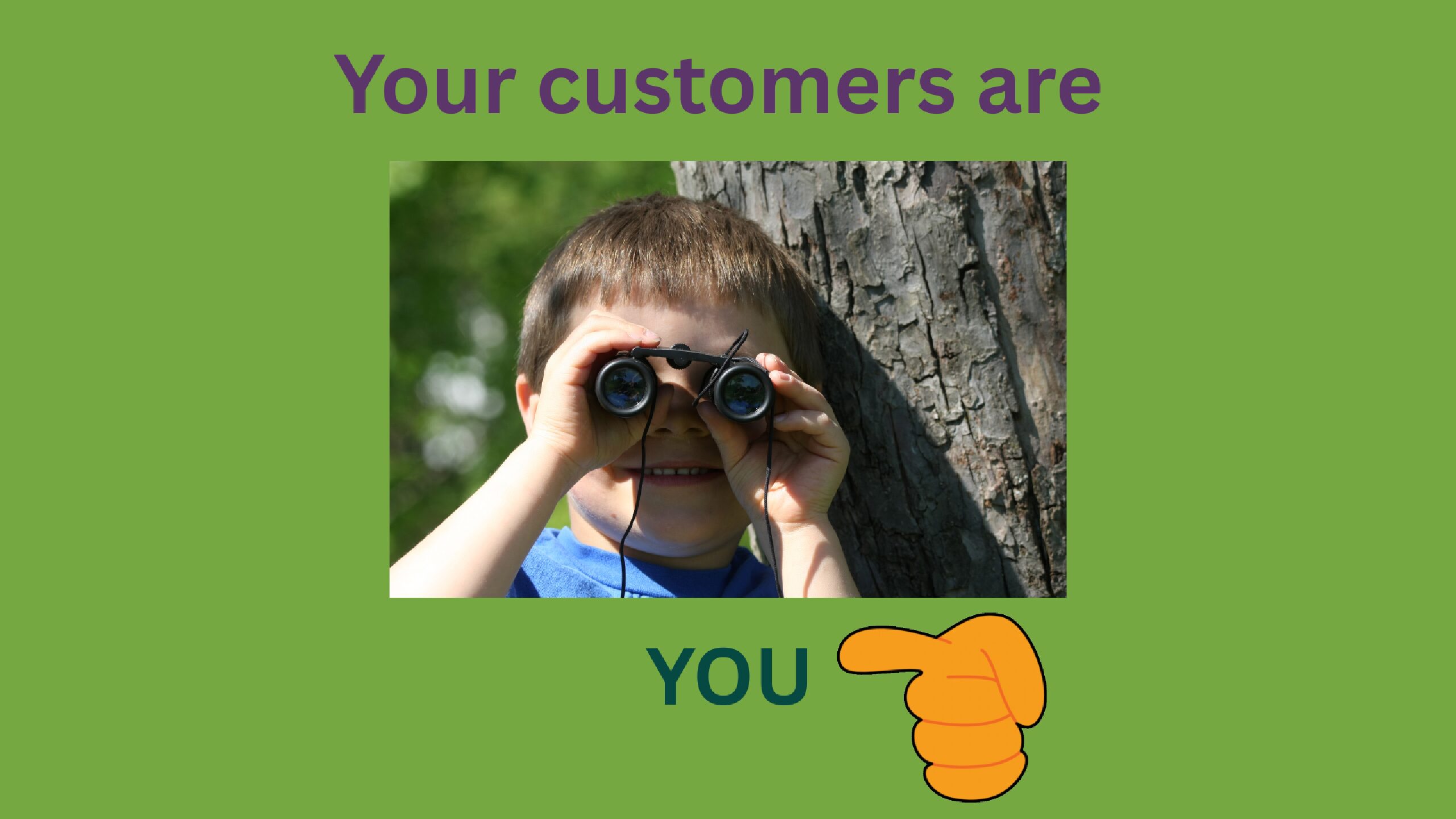
Customers are watching. They are choosing not only what to buy, but who to buy from and values are part of that decision. For SMEs, sustainability offers a real and achievable way to stand out, attract the right clients, and future-proof the business.
You don’t need to have all the answers. You just need to begin. Take one small step this September, and build from there.
Because in a world where customers are watching, those who act responsibly today will be the businesses that thrive tomorrow.
👉 If you’d like support turning sustainability into a competitive edge for your SME, feel free to get in touch I would be very happy to help you get started.